Small Bar Division Operations & Strategy for Independent Bar Owners

Operations & Strategy for Independent Bar Owners

Small Bar Division

Stories, ideas & perspectives — thoughtfully written, beautifully told.

Why Experienced Bartenders Walk Out the Door — And What Independent Owners Can Do Before They Do
Cover story

Why Experienced Bartenders Walk Out the Door — And What Independent Owners Can Do Before They Do

Losing a skilled bartender is rarely a surprise — it is the result of accumulated economic and structural pressures that independent bar owners too often miss until it is too late. This article examines the specific financial realities driving experienced staff toward corporate employers and career changes, and offers a diagnostic framework for evaluating whether your compensation structure is genuinely uncompetitive or simply failing to communicate its value.

Read the story →

Latest Articles

Cash Is Not Free Money: The Hidden Operational Cost of Informal Cash Handling at Your Bar 02
Operations & Risk Management

Cash Is Not Free Money: The Hidden Operational Cost of Informal Cash Handling at Your Bar

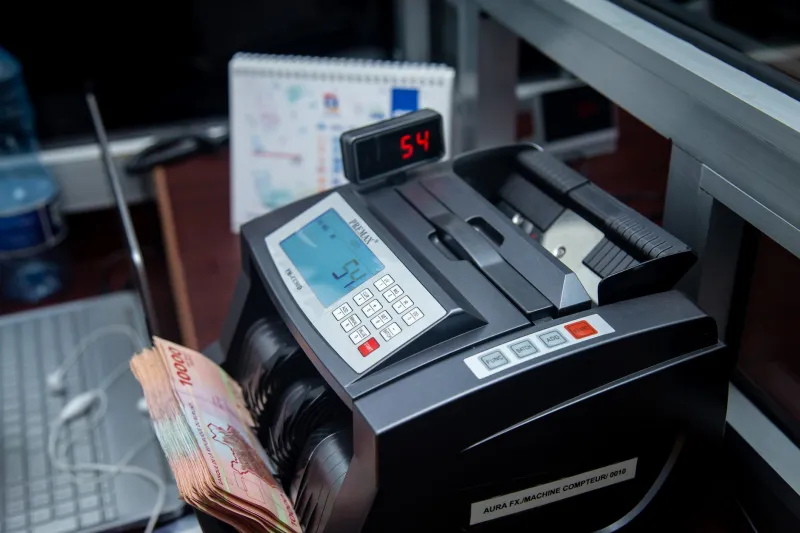
Most small bar owners treat cash theft as the primary risk in their cash management process, but the more persistent damage comes from informal procedures that create miscounts, reconciliation gaps, and audit-trail failures. This article examines how loose cash handling compounds into measurable financial harm and presents a practical framework for building tighter controls without overhauling your technology stack.


When the Numbers Lie: Diagnosing the Gap Between Your Labor Percentage and What's Actually Happening on Your Floor 03
Operations & Risk Management

When the Numbers Lie: Diagnosing the Gap Between Your Labor Percentage and What's Actually Happening on Your Floor

A favorable labor percentage can mask serious operational dysfunction — understaffed shifts, exhausted employees, and guests who quietly stop returning. This article examines why bar owners who optimize for a single labor metric often undermine the very profitability they believe they are protecting.

Dead Hours, Live Margins: How to Turn Your Bar's Slowest Daypart Into Its Most Profitable 04
Pricing & Revenue Strategy

Dead Hours, Live Margins: How to Turn Your Bar's Slowest Daypart Into Its Most Profitable

Most independent bar owners pour their energy into weekend rushes and dinner peaks while entire blocks of operating hours sit underutilized and underleveraged. The shoulder daypart — that quiet stretch between lunch and evening service, or the late-night lull before last call — often carries the highest potential margin per transaction. This piece breaks down how to identify which dormant hours deserve investment and how to architect a targeted strategy that generates consistent revenue without

When the Ground Shifts: Recognizing That Your Bar's Location Is Losing Its Edge 05
Operations & Risk Management

When the Ground Shifts: Recognizing That Your Bar's Location Is Losing Its Edge

The neighborhood that made your bar viable five years ago may be quietly undermining it today. Gentrification, demographic drift, and shifting foot traffic patterns can erode a location's commercial value long before the consequences appear on your income statement. This article equips bar owners with the metrics and strategic options to act before the market makes the decision for them.

Peak Season Is a Loan You Haven't Paid Back Yet 06
Pricing & Revenue Strategy

Peak Season Is a Loan You Haven't Paid Back Yet

Strong summer numbers can create a dangerous illusion of financial health for small bar owners. The revenue that looks like profit in July is often already spoken for by the fixed obligations, deferred costs, and vendor terms that come due when the crowds thin. This article breaks down the structural cash flow cycle that traps seasonal bars and offers a practical framework for building a buffer that holds.

Slow Season, Hidden Damage: What Downtime Is Really Costing Your Bar 07
Operations & Risk Management

Slow Season, Hidden Damage: What Downtime Is Really Costing Your Bar

When foot traffic drops, most bar owners reach for the cost-cutting lever—but that reflex often introduces structural inefficiencies that outlast the slow season itself. Understanding where downtime spending quietly accelerates, and how to redirect that period toward genuine operational improvement, separates bars that recover cleanly from those that limp into their next busy stretch.

Renegotiate Without Walking Away: A Small Bar Owner's Guide to Winning Better Supplier Terms 08
Pricing & Revenue Strategy

Renegotiate Without Walking Away: A Small Bar Owner's Guide to Winning Better Supplier Terms

Most small bar owners accept supplier pricing as a given, but the terms on your current agreements are rarely as fixed as they appear. With the right data, timing, and conversation framework, independent operators can recover 8 to 15 percent in costs without changing a single vendor relationship.

How Much Can You Actually Borrow? The Borrowing Ceiling Small Bar Owners Consistently Miscalculate 09
Pricing & Revenue Strategy

How Much Can You Actually Borrow? The Borrowing Ceiling Small Bar Owners Consistently Miscalculate

Many independent bar owners overestimate their borrowing capacity by anchoring to annual revenue figures while overlooking the seasonal volatility, debt service ratios, and hospitality-specific lending criteria that lenders actually use. Understanding your true sustainable debt ceiling is not a detail — it is the difference between a strategic investment and a financial trap. This framework helps bar operators calculate that number before a lender does it for them.

Your Best Seller May Be Your Worst Investment: Rethinking Drink Profitability Beyond Popularity 10
Pricing & Revenue Strategy

Your Best Seller May Be Your Worst Investment: Rethinking Drink Profitability Beyond Popularity

A drink that moves fast and draws compliments can still quietly compress your margins in ways that weekly sales reports will never reveal. Understanding the true cost of a popular menu item requires looking beyond volume and into the operational reality of producing it at scale. This framework helps independent bar owners separate genuinely profitable drinks from high-effort illusions of success.

You Are Not Losing to the Bar Down the Street 11
Operations & Risk Management

You Are Not Losing to the Bar Down the Street

Most independent bar owners spend considerable energy monitoring what the competition down the block is doing — their specials, their staffing, their décor updates. That surveillance, however well-intentioned, is almost entirely misdirected. The forces pulling your customers away on a Tuesday night are not other bars; they are gyms, streaming platforms, coffee shops, and a dozen other venues competing for the same finite resource: your customer's discretionary time.

When the Kitchen Becomes a Liability: A Bar Owner's Framework for Diagnosing Back-of-House Cost Leaks 12
Pricing & Revenue Strategy

When the Kitchen Becomes a Liability: A Bar Owner's Framework for Diagnosing Back-of-House Cost Leaks

A bar kitchen operates under fundamentally different financial pressures than a restaurant kitchen—and treating them the same way is a costly mistake. This article breaks down the specific cost drivers that erode margins in limited bar kitchen environments and offers a structured diagnostic approach for identifying which back-of-house expenditures are generating returns and which are quietly draining your bottom line.

Before You Sign the Lease: An Honest Reckoning With What Bar Expansion Actually Costs You 13
Operations & Risk Management

Before You Sign the Lease: An Honest Reckoning With What Bar Expansion Actually Costs You

Opening a second bar location is often framed as the natural reward for building a successful first one. In practice, the assumptions that made your flagship work frequently become liabilities when applied to a new environment, a different customer base, and a business structure you were not built to manage. This article examines the specific ways expansion fails independent bar owners—and how to evaluate whether it should be pursued at all.

Pour Cost Is Not Your Problem: What the Number Isn't Telling You About Your Bar's Profitability 14
Pricing & Revenue Strategy

Pour Cost Is Not Your Problem: What the Number Isn't Telling You About Your Bar's Profitability

Pour cost percentage is one of the most cited metrics in bar management, yet many operators who hit their targets still find themselves struggling to stay profitable. Understanding why requires looking beyond the number itself and examining the operational realities it cannot capture on its own.

Counting the Cost of Complimentary: A Financial Framework for What You Give Away at Your Bar 15
Pricing & Revenue Strategy

Counting the Cost of Complimentary: A Financial Framework for What You Give Away at Your Bar

Free pours, complimentary snacks, and no-cover programming are fixtures of small bar culture—but few operators have a clear picture of what those giveaways actually cost or whether they produce measurable returns. This article provides a practical framework for evaluating every complimentary offering against its true financial impact, so that generosity becomes a strategy rather than a habit.

Rooted in the Block: How Hyper-Local Strategy Turns Your Nearest Neighbors Into Your Most Loyal Customers 16
Operations & Risk Management

Rooted in the Block: How Hyper-Local Strategy Turns Your Nearest Neighbors Into Your Most Loyal Customers

While most bar marketing advice chases foot traffic from miles away, the most durable competitive advantage for a small bar may be the one hiding right outside your front door. This article examines how independent operators can systematically cultivate the local community—transforming proximity from a geographic fact into a genuine business asset.

The Authenticity Advantage: Why Your Bar's Strongest Asset Is the One No Trend Can Replicate 17
Pricing & Revenue Strategy

The Authenticity Advantage: Why Your Bar's Strongest Asset Is the One No Trend Can Replicate

In a market where every new cocktail concept seems to arrive pre-packaged with an Instagram strategy, independent bar owners face a genuine strategic question: follow the trend or build something that outlasts it. This piece examines how the most durable small bars in the country have grown loyal, profitable customer bases not by chasing what's popular, but by committing deeply to who they actually are.

Silent Losses, Real Damage: How to Identify and Stop Inventory Shrink Before It Drains Your Bar 18
Operations & Risk Management

Silent Losses, Real Damage: How to Identify and Stop Inventory Shrink Before It Drains Your Bar

Inventory shrink is one of the most persistent threats to profitability in independent bar operations, yet it rarely announces itself clearly. This article breaks down the difference between acceptable operational loss and systemic problems—and outlines the practical systems owners can implement to close the gap without undermining staff trust.

Compliance Without Catastrophe: A Small Bar Owner's Guide to Alcohol Licensing Costs and Regulatory Demands 19
Pricing & Revenue Strategy

Compliance Without Catastrophe: A Small Bar Owner's Guide to Alcohol Licensing Costs and Regulatory Demands

Alcohol licensing and regulatory compliance represent one of the most underestimated cost centers for independent bar owners in the United States. From state-level permit renewals to municipal variance requirements, the financial and administrative burden can erode margins significantly if not planned for deliberately. This guide offers a practical framework for understanding, budgeting, and managing your compliance obligations across the full operational lifecycle of your bar.

Holding the Line: Proven Retention Strategies for Your Most Valuable Bar Staff 20
Operations & Risk Management

Holding the Line: Proven Retention Strategies for Your Most Valuable Bar Staff

Talented bartenders don't leave bad jobs—they leave bad environments. Independent bar owners face a structural disadvantage in competing for skilled staff, but targeted operational changes can close that gap without a corporate HR budget. This guide examines the real reasons high-performing employees walk out the door and what small bar operators can do to keep them.